

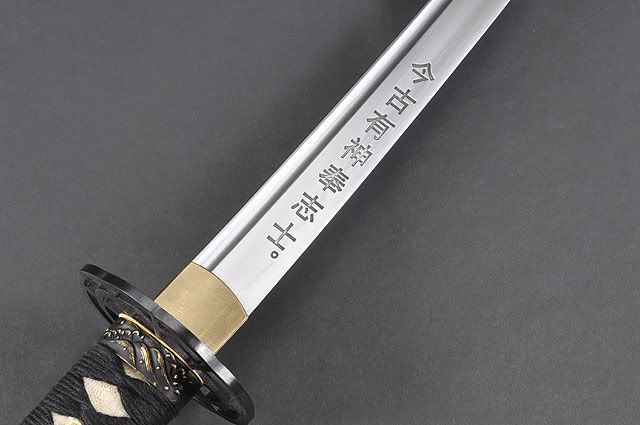
What does this say?
- Thread starter xist
- Start date
- Views 5,611
- Replies 31





 ), but I can say that it is upside down.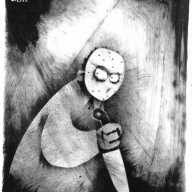













Site & Scene News
New Hot Discussed User Submitted
-
-
13K views
How we cover AI-assisted projects - GBAtemp community check-in
It’s about that time of year again where I check in with the community to see if we can get the front page aligned with what people are interested in knowing and what... -
9K views
Limited Edition Zelda-themed Switch 2 images have leaked online
Images for the rumoured Zelda-themed limited edition Switch 2 for The Legend of Zelda's 40th Anniversary have started to leak online. The leak shows only the... -
8K views
Homebrew WiiCompiled lets you play Mario Kart Wii natively on PC
WiiCompiled is a new project that lets PC gamers play Mario Kart Wii natively on PC without emulation. Using static recompliation to convert the code into native PC... -
8K views
Unreal Engine 5 fan remake Gamma Emerald gets its first early access release
After being announced last year, the fan-made remake Gamma Emerald has finally gotten its first early access release. A complete rebuild of fan-favourite Pokemon... -
6K views
Grand Theft Auto VI: An Extended Look - now on YouTube
The long awaited Grand Theft Auto VI Extended Look gameplay trailer has finally dropped on YouTube. As you all know, it had dropped 6 hours earlier on Netflix, and... -
6K views
Price increase amount confirmed for the Switch 2 in the UK, set to come into effect September 1st
Though we knew all the way back in May that this was coming, the exact numbers remained a mystery for prospective Nintendo gamers in the UK. If you happen to have... -
6K views
It’s decent enough - an early look at Oblivion Remastered on Switch 2
So I got pretty lucky on this one. Having ordered the physical version of Oblivion Remastered on Switch 2, I had it delivered earlier today, beating out the official... -
6K views
Homebrew The Minish Cap gets a native 3DS port with dual/widescreen support
Thanks to the recent decomplication efforts; The Minish Cap 3DS brings the Game Boy Advance classic Zelda title to your 3DS. The port takes full advantage of the 3DS... -
5K views
Xbox to offer digital licences with physical disc purchases
In the wake of Sony's shift to a digital-only ecosystem within the next year, Xbox have today announced a surprising scheme. Aiming to offer physical buyers the same... -
5K views
Everyone thinks The Elder Scrolls VI will be called Sentinel
Over the past week, rumors have started swirling as Redditors (probably correctly) deduced the title of the upcoming Elder Scrolls game, which will apparently be...
-
-
-
353 replies
How we cover AI-assisted projects - GBAtemp community check-in
It’s about that time of year again where I check in with the community to see if we can get the front page aligned with what people are interested in knowing and what... -
96 replies
Price increase amount confirmed for the Switch 2 in the UK, set to come into effect September 1st
Though we knew all the way back in May that this was coming, the exact numbers remained a mystery for prospective Nintendo gamers in the UK. If you happen to have... -
90 replies
Limited Edition Zelda-themed Switch 2 images have leaked online
Images for the rumoured Zelda-themed limited edition Switch 2 for The Legend of Zelda's 40th Anniversary have started to leak online. The leak shows only the... -
88 replies
Grand Theft Auto VI: An Extended Look - now on YouTube
The long awaited Grand Theft Auto VI Extended Look gameplay trailer has finally dropped on YouTube. As you all know, it had dropped 6 hours earlier on Netflix, and... -
81 replies
Xbox to offer digital licences with physical disc purchases
In the wake of Sony's shift to a digital-only ecosystem within the next year, Xbox have today announced a surprising scheme. Aiming to offer physical buyers the same... -
71 replies
Unreal Engine 5 fan remake Gamma Emerald gets its first early access release
After being announced last year, the fan-made remake Gamma Emerald has finally gotten its first early access release. A complete rebuild of fan-favourite Pokemon... -
64 replies
Homebrew The Minish Cap gets a native 3DS port with dual/widescreen support
Thanks to the recent decomplication efforts; The Minish Cap 3DS brings the Game Boy Advance classic Zelda title to your 3DS. The port takes full advantage of the 3DS... -
64 replies
Support GBAtemp and browse ad-free + 🏖️ Summer sale - get 3 years ad-free for $109.99
GBAtemp is and always has been an independent community. Since 2002 our staff have voluntarily kept the site running, added new forums, features, provided constant... -
55 replies
Everyone thinks The Elder Scrolls VI will be called Sentinel
Over the past week, rumors have started swirling as Redditors (probably correctly) deduced the title of the upcoming Elder Scrolls game, which will apparently be... -
52 replies
Pre-orders open for the XBOX 25th Anniversary Collection
To celebrate its 25th anniversary, XBOX has launched pre-orders for the XBOX 25th Anniversary Collection. For the occasion, the trailer below was aired. This...
-
-


