Stop Updating: AMD will use Vibecoding for Slop Software Development

  • Thread starter Thread starter Nakamichi
  • Start date Start date
  • Views Views 1,930
  • Replies Replies 52
MH Wilds was and is wildly unoptimized because they zip their texture packs to keep the overall size down, but unpacking all of that shit let older rigs like mine play the game perfectly fine. Then ofc each new update would merit you redoing the arduous process, but such is reverse peasant life of being a PC gamer these days.
Thanks for the Mh Wilds tech tip
 
  • Love
Reactions: Skv0ra
My team does blind AI code patches and they cannot find the issue when the source files become large ins ize.
look... i bet your work is way more compley than i could EVBER understand!
more technical, more knowledge than i could EVBER understand.
but... you are WAY too good to work with a fucking AI the level of a first-grader. i mean it.
 
oh yeah, id go mint too... but most of what i do IS gaming.
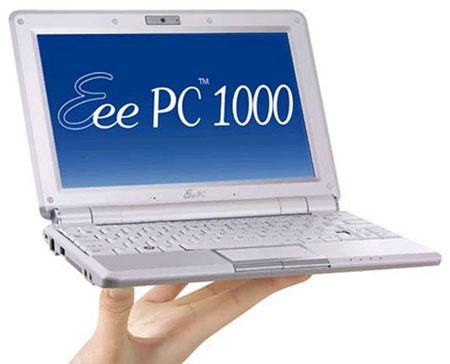
i used to love ubuntu back in the day. you remember those teenie-tiny eeepc notebooks?

i had one of those with ubuntu on. that was so sweet, i miss subnotebooks sometimes. my ultrabook is 13 inches and thats about as small as you can go feasibly with good hardware nowadays.

asusPC1000.jpg
These things can barely run any Linux distro on them, unless it's Tiny Core and Puppy Linux due to how resource intensive distros have gotten over the years. Eee PCs are worth it if you consider converting one into a Hackintosh with varying degrees of success, or a low-end Windows XP machine that can barely run games but can only be useful for productivity.

8.1 was actually very good. An natural evolution of 7. Compared to 11 AI slop fest, 8.1 was a masterpiece.
I honestly didn't know Windows 8 existed until around Windows 10. Just how much of a mess Microsoft made to that operating system by making the Start Menu feel like a baby's toy-it's a disgrace. Least they finally fixed that in their next OS, much to the dismay of telemetry BS included.
 
Last edited by SylverReZ,
  • Like
Reactions: Nakamichi and Kioku
These things can barely run any Linux distro on them, unless it's Tiny Core and Puppy Linux due to how resource intensive distros have gotten over the years. Eee PCs are worth it if you consider converting one into a Hackintosh with varying degrees of success, or a low-end Windows XP machine that can barely run games but can only be useful for productivity.
Look... i KNOW.
theres a reason i sold mine a bajllionty years ago.
but im just... im old enough where i remember that series, that form factor... and feel hella nostalgic for it, ya know?

Look, lets be honest here. i know theyre OLD AF. but... what if they werent?
10 inch and below, competitite hardware, battery, tiny size etc etc... you really telling me it WOULDNT be awesome to hasve nowadays?
 
These things can barely run any Linux distro on them, unless it's Tiny Core and Puppy Linux due to how resource intensive distros have gotten over the years. Eee PCs are worth it if you consider converting one into a Hackintosh with varying degrees of success, or a low-end Windows XP machine that can barely run games but can only be useful for productivity.


I honestly didn't know Windows 8 existed until around Windows 10. Just how much of a mess Microsoft made to that operating system by making the Start Menu feel like a baby's toy-it's a disgrace. Least they finally fixed that in their next OS, much to the dismay of telemetry BS included.
Iirc 8.1 was the backbone os of Nokia windows phones just slimmed down majorly kind of like zune but without lte. Such potential gone. Could've had at least a 3rd player in the game especially with how powerful Socs now even if it's windows.
 
Look, lets be honest here. i know theyre OLD AF. but... what if they werent?
10 inch and below, competitite hardware, battery, tiny size etc etc... you really telling me it WOULDNT be awesome to hasve nowadays?
There's a reason why netbooks weren't even good to start with. It was a wake-up call for companies to start producing cheaper and cost-effective laptops by ditching what made them sturdy; overtime they became thin and small, components were even smaller, storage was opted for eMMC instead of the full-sized hard drives and SSDs we see, servicing these laptops too made them even difficult unless you had the skills of phone repair. Honestly I wished they never did this because now they're becoming nothing but e-waste once these go out-of-support or simple die and that no-one can repair them once they do.

Netbooks (and Windows tablets, if you remember them) used low-power processors like an Intel Atom stuck to 1GHz, which were enough to browse the web, but from time to time when HTML5 and JavaScript became the norm and bloated websites, then the machines could not keep up. Netbooks are called "netbooks" because they were intended to be used as internet appliances, not in the grand scheme outside of their intended purpose. If you were a power user, you were just better off building your own machine, or purchasing one pre-built with your intended specifications.

Iirc 8.1 was the backbone os of Nokia windows phones just slimmed down majorly kind of like zune but without lte. Such potential gone. Could've had at least a 3rd player in the game especially with how powerful Socs now even if it's windows.
It was their intention to make Windows 8 applicable to mobile devices and tablets because of the Metro interface. But if you had a desktop computer or laptop then it becomes a confusing mess on what to select and navigate because it never really feels intended for them. Of course, Windows Phones never had the success that Microsoft had hoped for because of companies like Google and Apple being more dominant in that niche, and it was quickly cut short in around 2015.
 
Last edited by SylverReZ,
There's a reason why netbooks weren't even good to start with. It was a wake-up call for companies to start producing cheaper and cost-effective laptops by ditching what made them sturdy; overtime they became thin and small, components were even smaller, storage was opted for eMMC instead of the full-sized hard drives and SSDs we see, servicing these laptops too made them even difficult unless you had the skills of phone repair. Honestly I wished they never did this because now they're becoming nothing but e-waste once these go out-of-support or simple die and that no-one can repair them once they do.

Netbooks (and Windows tablets, if you remember them) used low-power processors like an Intel Atom stuck to 1GHz, which were enough to browse the web, but from time to time when HTML5 and JavaScript became the norm and bloated websites, then the machines could not keep up. Netbooks are called "netbooks" because they were intended to be used as internet appliances, not in the grand scheme outside of their intended purpose. If you were a power user, you were just better off building your own machine, or purchasing one pre-built with your intended specifications.
i dont wanna be that guy. if i didnt know you and i didnt care... maybe.
anyway, fuck it, this is me: https://gbatemp.net/threads/just-like-veho-and-p1ngpong.683662/
honestly... this is the biggest post on "the temp" ive ever done... ever".
id much rather have your opinion THERE.
This is either my last post ever... or my FIRST post ever, here.
i dunno. you know what i mean
 
There's a reason why netbooks weren't even good to start with. It was a wake-up call for companies to start producing cheaper and cost-effective laptops by ditching what made them sturdy; overtime they became thin and small, components were even smaller, storage was opted for eMMC instead of the full-sized hard drives and SSDs we see, servicing these laptops too made them even difficult unless you had the skills of phone repair. Honestly I wished they never did this because now they're becoming nothing but e-waste once these go out-of-support or simple die and that no-one can repair them once they do.

Netbooks (and Windows tablets, if you remember them) used low-power processors like an Intel Atom stuck to 1GHz, which were enough to browse the web, but from time to time when HTML5 and JavaScript became the norm and bloated websites, then the machines could not keep up. Netbooks are called "netbooks" because they were intended to be used as internet appliances, not in the grand scheme outside of their intended purpose. If you were a power user, you were just better off building your own machine, or purchasing one pre-built with your intended specifications.


It was their intention to make Windows 8 applicable to mobile devices and tablets because of the Metro interface. But if you had a desktop computer or laptop then it becomes a confusing mess on what to select and navigate because it never really feels intended for them. Of course, Windows Phones never had the success that Microsoft had hoped for because of companies like Android and Apple being more dominant in that niche, and it was quickly cut short in around 2015.

I think it was more about execution and not having much support to get people interested in another os. Around the time Android was king due to its lack of security meaning less restrictions wise vs Apple which you had to go with Apple everything basically. Ofc it took EU courts just to get Apple to switch to type c. I think if windows phones relaunched towards the gaming market it would be a major hit now days. Espwsince the world's more educated on how windows is vs back then. They could probably sell Steam machine level specs on a windows smartphone powerful enough to launch executables now.
 
There's a reason why netbooks weren't even good to start with. It was a wake-up call for companies to start producing cheaper and cost-effective laptops by ditching what made them sturdy; overtime they became thin and small, components were even smaller, storage was opted for eMMC instead of the full-sized hard drives and SSDs we see, servicing these laptops too made them even difficult unless you had the skills of phone repair. Honestly I wished they never did this because now they're becoming nothing but e-waste once these go out-of-support or simple die and that no-one can repair them once they do.

Netbooks (and Windows tablets, if you remember them) used low-power processors like an Intel Atom stuck to 1GHz, which were enough to browse the web, but from time to time when HTML5 and JavaScript became the norm and bloated websites, then the machines could not keep up. Netbooks are called "netbooks" because they were intended to be used as internet appliances, not in the grand scheme outside of their intended purpose. If you were a power user, you were just better off building your own machine, or purchasing one pre-built with your intended specifications.


It was their intention to make Windows 8 applicable to mobile devices and tablets because of the Metro interface. But if you had a desktop computer or laptop then it becomes a confusing mess on what to select and navigate because it never really feels intended for them. Of course, Windows Phones never had the success that Microsoft had hoped for because of companies like Google and Apple being more dominant in that niche, and it was quickly cut short in around 2015.
you pinged me, twice, while i wrote my big post. lets please not CARE about subnotebooks.
i saw you pinging me, live, while i wrote this.
dont even care if thumbs up or down.
you were with me while i wrote this, just please reply while i post this. thank you so much!
 
I think if windows phones relaunched towards the gaming market it would be a major hit now days. Especially since the world's more educated on how windows is vs back then. They could probably sell Steam machine level specs on a windows smartphone powerful enough to launch executables now.
I didn't think the execution to sell these devices went well with the public, if at all. They wanted to compete with Android at the time, and they chose to go with their own OS instead of making them Android devices. It's because they would have a hard time "differentiating" and that they can have more control over their platform. You are right that, if Microsoft had gotten better 3rd-party support, made them gaming devices with a suitable SoC powerful enough to run games, then it could very well be at least successful with the Xbox One. Then again, cost has to factor in when you're making two separate products.
 
I didn't think the execution to sell these devices went well with the public, if at all. They wanted to compete with Android at the time, and they chose to go with their own OS instead of making them Android devices. It's because they would have a hard time "differentiating" and that they can have more control over their platform. You are right that, if Microsoft had gotten better 3rd-party support, made them gaming devices with a suitable SoC powerful enough to run games, then it could very well be at least successful with the Xbox One. Then again, cost has to factor in when you're making two separate products.
Well there is Xbox, I think Microsoft knew they could make more revenue pushing income towards the Xbox they'd make more that way and worked in their favor for the time and just Apple and android go at it. Even though surface tablets still sell pretty well today. Always wanted a surface table didn't want to spend 1k+ on them.
 

Site & Scene News

Popular threads in this forum