Nintendo Switch 2: The Current State of Physical Releases

  • Thread starter Thread starter DeadSkullzJr
  • Start date Start date
  • Views Views 30,235
  • Replies Replies 232
  • Likes Likes 25
I love when companies like Limited Run Games put out previously "digital-only" games on game cards with all DLC *and* the latest update file (usually after the game isn't getting anymore updates, and is always a third-party title)
 
So uh, i decided to buy a switch 2 for me and my folks over the holiday, so i have a question. Should i even bother with physical releases if they're mostly gonna be key cards? I bought a 1tb SD Express card on sale today and was thinking maybe I'd just be better off going digital, anyone have any particular thoughts on that? it's not desirable, but what is the lesser evil i guess...?
Basically, if you can get a game in genuine physical form, get it. Otherwise, anything that's a download code or a game key card, you might as well just buy the game from the eShop directly. Download codes are basically just physical waste for a code to get a digital copy anyways. Game key cards only have a benefit for sharing a digital game between two or more systems, other than that, it's basically paperweight.
 
  • Like
Reactions: AngryCinnabon
And it is so unfortunate that I have to practically make this my mantra, but you clowns need to learn economics before talking nonsense: Adjusted for inflation, the $60 price of Mario Kart 8 Deluxe in 2017 is EXACTLY THE SAME (!!!) as the 2025 $80 price of Mario Kart World. They are literally the same price; Nintendo did NOT raise the price one bit. That's why you 1 percenters who whine, threaten boycotts, and pirate whenever possible are ignored by the 99% of people who get it and just go out an make the S2 the winner of this generation just like the S1 was for the last generation, only now they'll sell a helluva lot more copies of the software, digitally or otherwise.
Tell me you don't know economics without telling me.

Games never followed inflation. Inflation is a measurement of the price development of everyday products like food. You can't 1:1 apply inflation rates to other parts, especially because technological development and the cost effectiveness is different in different industries. Game prices are mainly dictated by demand. If nobody buys your games, you wont be able to price them $80. And we actually see this happen more often now. Many people are not willing to buy games for $80 and if they don't you have to lower your prices.

Indies are overtaking the gaming market with prices ranging from $10 - $50.

And especially considering that development of games is cheaper than ever thanks to readily available high quality tools (even Nintendo uses Unreal Engine) and (many people wont like it) AI.

Which is the fun part, is that from the big names, the big N is the one with the cheapest to produce games and the ones who asked for the highest prices.

You can see all of this happen with RAM right now. RAM prices arent increasing due to inflation, they actually fell a lot despite inflation. Now demand is high due to AI and the prices hike.
 
Basically, if you can get a game in genuine physical form, get it. Otherwise, anything that's a download code or a game key card, you might as well just buy the game from the eShop directly. Download codes are basically just physical waste for a code to get a digital copy anyways. Game key cards only have a benefit for sharing a digital game between two or more systems, other than that, it's basically paperweight.
Thanks for the information, I'll keep it in mind :)
 
Some differences between physical cartridges and digital version for the games: (in case some people didn't realize some of them).
1) Physical cartridges:
- Pros:
a) They usually don't take much space in your storage (sd card/nand). Only the updates/dlc's might use that space (which is also valuable).
b) You can easily run them without an internet connection (just inserting the cartridge).
c) No limit on how many consoles you can use it (just swap the cartridge from one to another).
d) No internet required to use the game in different consoles.
e) Resale value and able to use even if the servers fail (no internet/connection issues, etc).
f) Ready to play after inserting the cartridge (no waiting times). (generally speaking, as some now require mandatory day 0 updates).
g) No internet required to play your games.
- Cons:
a) Slower loading
b) You need a retailer to buy them from / not always available for purchase.
c) Prices can go high due limited available cartridge releases.
d) You need the cartridge in the console to play and swap it to change the games.
e) When travelling, you can lose the cartridges.

2) Digital games:
- Pros:
a) Stored in your SD = not needing to bring the cartridge to travel nor to swap the cartridge to change between the games in your storage.
b) Easily available for purchase (as long as you have internet connection). No need to wait for a retailer to bring it.
c) Quite a lot of eshop offers that lower quite a lot some of the prices (for some games).
d) For some games, cheaper prices than the physical version.
e) More games available than on physical version (due the advantages for the distributors they offer).
- Cons:
a) Internet required to load the game in your console the first time (which might take quite a bit on big games).
b) Limited to use on two of your consoles: Nintendo only allow 2 consoled linked to use the game virtual cards, if you own more consoles you might have to use the online license way that requires you to have internet connection any time you play the game.
c) Unable to buy multiple copies of the game for multiple consoles. (Specially bad when the content is free). Example: you can have 2 different switch 2 consoles, but you can only buy a free game once and therefore have the virtual cartrige on one or the other, but not on the two of them.. same thing for downloaded contents like language packs.
d) Requires the console where the virtual cartridge is loaded to also be online to "eject" the cartrige. If you are travelling and you want to use a game that is loaded in a console you left at home, you can't eject it unless someone at your home connects that other console to the internet... Same thing if you want to buy the same game for your two consoles so you can use them both with the game at the same time.. (with physical cartridges you don't have that issue).
e) Some games require a lot of storage space (example: skyrim is over 50GB) so you might have to pay for storage (which is not cheap either).
 
Some differences between physical cartridges and digital version for the games: (in case some people didn't realize some of them).
1) Physical cartridges:
- Pros:
a) They usually don't take much space in your storage (sd card/nand). Only the updates/dlc's might use that space (which is also valuable).
b) You can easily run them without an internet connection (just inserting the cartridge).
c) No limit on how many consoles you can use it (just swap the cartridge from one to another).
d) No internet required to use the game in different consoles.
e) Resale value and able to use even if the servers fail (no internet/connection issues, etc).
f) Ready to play after inserting the cartridge (no waiting times). (generally speaking, as some now require mandatory day 0 updates).
g) No internet required to play your games.
- Cons:
a) Slower loading
b) You need a retailer to buy them from / not always available for purchase.
c) Prices can go high due limited available cartridge releases.
d) You need the cartridge in the console to play and swap it to change the games.
e) When travelling, you can lose the cartridges.

2) Digital games:
- Pros:
a) Stored in your SD = not needing to bring the cartridge to travel nor to swap the cartridge to change between the games in your storage.
b) Easily available for purchase (as long as you have internet connection). No need to wait for a retailer to bring it.
c) Quite a lot of eshop offers that lower quite a lot some of the prices (for some games).
d) For some games, cheaper prices than the physical version.
e) More games available than on physical version (due the advantages for the distributors they offer).
- Cons:
a) Internet required to load the game in your console the first time (which might take quite a bit on big games).
b) Limited to use on two of your consoles: Nintendo only allow 2 consoled linked to use the game virtual cards, if you own more consoles you might have to use the online license way that requires you to have internet connection any time you play the game.
c) Unable to buy multiple copies of the game for multiple consoles. (Specially bad when the content is free). Example: you can have 2 different switch 2 consoles, but you can only buy a free game once and therefore have the virtual cartrige on one or the other, but not on the two of them.. same thing for downloaded contents like language packs.
d) Requires the console where the virtual cartridge is loaded to also be online to "eject" the cartrige. If you are travelling and you want to use a game that is loaded in a console you left at home, you can't eject it unless someone at your home connects that other console to the internet... Same thing if you want to buy the same game for your two consoles so you can use them both with the game at the same time.. (with physical cartridges you don't have that issue).
e) Some games require a lot of storage space (example: skyrim is over 50GB) so you might have to pay for storage (which is not cheap either).
Some of those points are half right, aren't well explained, or shouldn't be in there.

Physical Cartridges:

1. The only data stored on the system is icon data and save data. Game data itself is stored on the game cartridge. As for game updates and DLC, game updates generally get bundled with some game cartridge releases and sold as revised versions of the games more often than not. DLC is pretty much a maybe depending on what gets released, how it gets released, and when later on down the road. So it's not always the case that you have to download updates and or DLC, if you wait to buy a revised physical copy later.

2. Too many duplicate points to say that no internet connection required when using physical game cartridges. Despite this being false in some cases, like games that operate via the cloud, or games that are online multiplayer oriented. Most games generally are offline friendly, but certainly not all. This isn't so much due to the media itself as it is the games and how they were designed though.

3. The only games that require a mandatory update, are partial releases. Generally a full standard release won't require you to install any updates, if you don't want to.

4. Artificial inflation has nothing to do with physical games themselves, and everything to do with the greedy jerks selling the games. That's not a direct issue spawned by physical media, that's a direct con of people themselves, a.k.a. their asinine greed.

5. Losing your own media is not something physical media itself causes, that correlates to you as the owner. Just like the fourth point, this is a con with people, not the media itself. It would be like saying it's a con for physical media just because they can be stolen by other people, doesn't make much sense lol. In a sense, it's also shifting the blame onto physical media. People just need to be better about how they handle their things, and people also shouldn't be assholes stealing from other people. Be a pro, not a con.

6. Cartridge access speeds have been tested against digital software counterparts, the performance of the cartridge isn't far off from digital software performance (the XtraROM chips used are part of the NAND family, NAND itself being technology used in computers for things like SSDs and such, so the performance benefits are definitely there). While there is a very slight difference (mainly to do with handshakes and the communication process the hardware does for the cartridge data), under real world use, you won't even realize the differences unless you seriously compared the two side by side. I wouldn't even consider cartridge performance a good point in your list because of this.


Digital Software:

1. Despite being readily available compared to physical cartridges, due to the suboptimal nature of most games these days, they take up way more space than they probably should. They aren't optimized well and don't utilize good compression techniques. This is a genuine con because this forces you to spend a lot more money for much larger SD cards.

2. The biggest con not mentioned here is the lack of accessibility when the services are no longer supported. That's a huge deal breaker for digital media long term, considering you can't get your money back when they revoke your ability to download your games again. No, piracy doesn't count either.

 
So uh, i decided to buy a switch 2 for me and my folks over the holiday, so i have a question. Should i even bother with physical releases if they're mostly gonna be key cards? I bought a 1tb SD Express card on sale today and was thinking maybe I'd just be better off going digital, anyone have any particular thoughts on that? it's not desirable, but what is the lesser evil i guess...?
If you go in all digital, it makes sense not to care about GKCs and in that case, just buy GKCs, CIBs, and when it's on sale on the eShop. That way you get them cheap.

Is 1TB enough for everything? Suppose so, as long as you don't buy too many.
 
  • Like
Reactions: AngryCinnabon
Some of those points are half right, aren't well explained, or shouldn't be in there.

Physical Cartridges:

1. The only data stored on the system is icon data and save data. Game data itself is stored on the game cartridge. As for game updates and DLC, game updates generally get bundled with some game cartridge releases and sold as revised versions of the games more often than not. DLC is pretty much a maybe depending on what gets released, how it gets released, and when later on down the road. So it's not always the case that you have to download updates and or DLC, if you wait to buy a revised physical copy later.

2. Too many duplicate points to say that no internet connection required when using physical game cartridges. Despite this being false in some cases, like games that operate via the cloud, or games that are online multiplayer oriented. Most games generally are offline friendly, but certainly not all. This isn't so much due to the media itself as it is the games and how they were designed though.

3. The only games that require a mandatory update, are partial releases. Generally a full standard release won't require you to install any updates, if you don't want to.

4. Artificial inflation has nothing to do with physical games themselves, and everything to do with the greedy jerks selling the games. That's not a direct issue spawned by physical media, that's a direct con of people themselves, a.k.a. their asinine greed.

5. Losing your own media is not something physical media itself causes, that correlates to you as the owner. Just like the fourth point, this is a con with people, not the media itself. It would be like saying it's a con for physical media just because they can be stolen by other people, doesn't make much sense lol. In a sense, it's also shifting the blame onto physical media. People just need to be better about how they handle their things, and people also shouldn't be assholes stealing from other people. Be a pro, not a con.

6. Cartridge access speeds have been tested against digital software counterparts, the performance of the cartridge isn't far off from digital software performance (the XtraROM chips used are part of the NAND family, NAND itself being technology used in computers for things like SSDs and such, so the performance benefits are definitely there). While there is a very slight difference (mainly to do with handshakes and the communication process the hardware does for the cartridge data), under real world use, you won't even realize the differences unless you seriously compared the two side by side. I wouldn't even consider cartridge performance a good point in your list because of this.


Digital Software:

1. Despite being readily available compared to physical cartridges, due to the suboptimal nature of most games these days, they take up way more space than they probably should. They aren't optimized well and don't utilize good compression techniques. This is a genuine con because this forces you to spend a lot more money for much larger SD cards.

2. The biggest con not mentioned here is the lack of accessibility when the services are no longer supported. That's a huge deal breaker for digital media long term, considering you can't get your money back when they revoke your ability to download your games again. No, piracy doesn't count either.
You are right... in fact is even worse about the availability of some of the games in digital. Some, like "A hat in time" or "30-in-1 game collection" don't show on the e-shop or show as not for sale already... so not even that 100% availability there.
 
  • Like
Reactions: Marc_LFD
You are right... in fact is even worse about the availability of some of the games in digital. Some, like "A hat in time" or "30-in-1 game collection" don't show on the e-shop or show as not for sale already... so not even that 100% availability there.
Lack of 100% availability indeed. The unfortunate reality is, both physical and digital tend to have their pros and cons, you will absolutely take some losses regardless of the side you choose. I tend to focus on the long term side of things though, physical media has proven its worth, even against odds of digital counterparts. In terms of convenience and pacing of accessibility, digital is hands down the winner. So it depends on what you want, just don't forget about long term drawbacks or the details in between.
 
  • Like
Reactions: Marc_LFD
Added the following:
- Dynasty Warriors: Origins
- Fatal Frame II: Crimson Butterfly
- LEGO Batman: Legacy of the Dark Knight
- Marvel Cosmic Invasion
- Pragmata
 
Last edited by DeadSkullzJr,
So what's the point of a "physical" release containing just a digital download code then? At least when you use a game key card you could give it to someone else (not that I like game key cards or anything)

Is it just to remind you that you bought the game? Looking at the list of games that do this, it might be...
 
So what's the point of a "physical" release containing just a digital download code then? At least when you use a game key card you could give it to someone else (not that I like game key cards or anything)

Is it just to remind you that you bought the game? Looking at the list of games that do this, it might be...
It's so you can have the box at the store so you can see the game's box and decide to buy it when you are checking at the store... no other purpose...as a consumer.. just an empty box.
 
It's so you can have the box at the store so you can see the game's box and decide to buy it when you are checking at the store... no other purpose...as a consumer.. just an empty box.
As a consumer it's an additional place to buy the game, meaning there's a chance you can get it cheaper. It's a net positive vs it being available only on the eShop, but obviously falls short when compared to an actual physical release.
 
Games that work on 20.1.1 offline that I have tested:

Donkey Kong Bananza
Kirby and the Forgotten Lands + Star Crossed Worlds (Switch 2 ver)
Mario Kart World

Kirby Air Riders doesn't work on 20.1.1. Prompts for an update. The update on the cart was 20.1.5.
 
Last edited by erratic5330,
  • Haha
Reactions: ChibiMofo
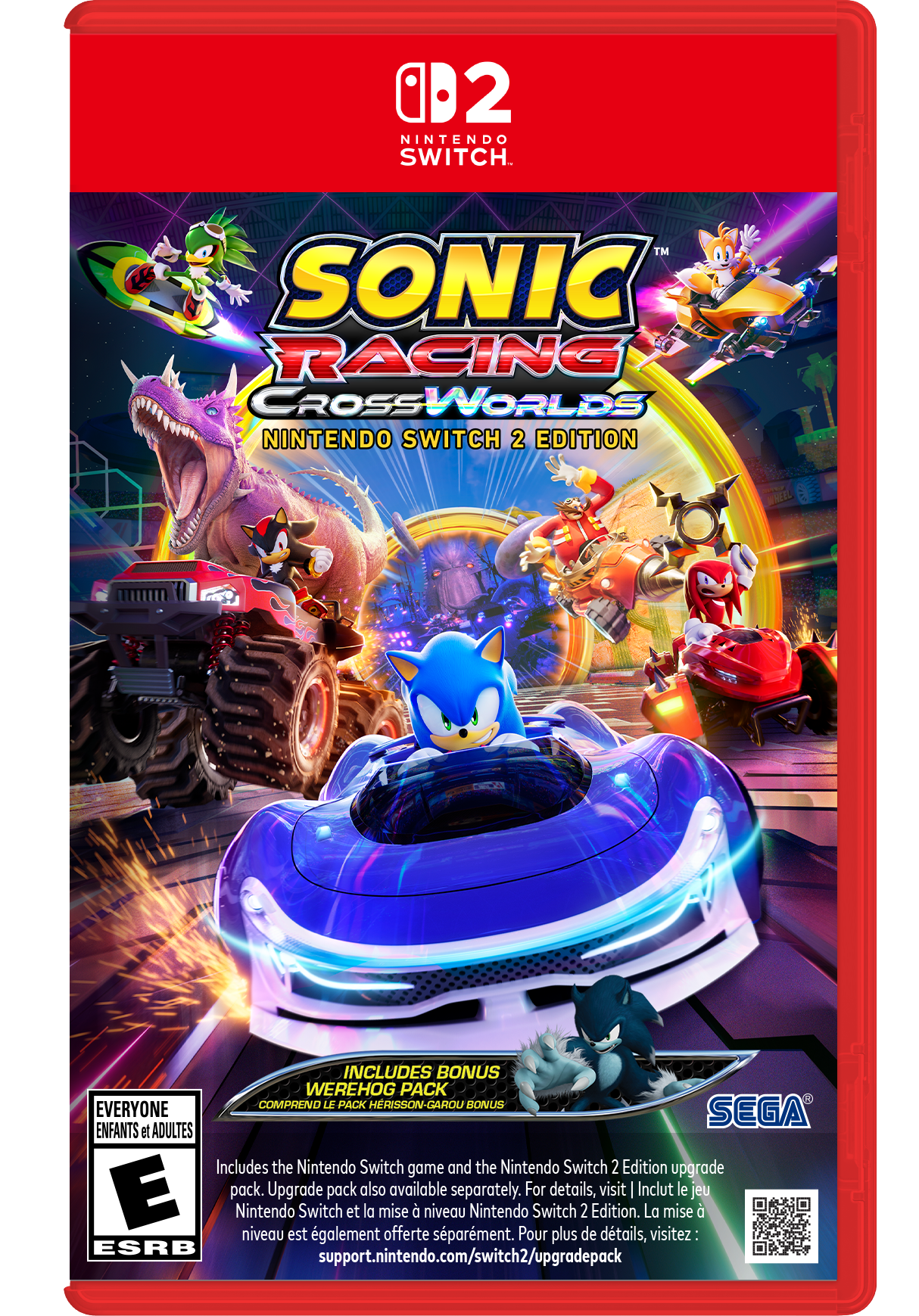
Surprisingly, Sonic Racing Crossworlds is a physical cart, but it's one of those "Switch 2 Upgrade Edition" which is still better than a damn key card.

Packshot_NSW_FRONT_US_V1_v3_RGB_1214x1739.png
 
Surprisingly, Sonic Racing Crossworlds is a physical cart, but it's one of those "Switch 2 Upgrade Edition" which is still better than a damn key card.

Packshot_NSW_FRONT_US_V1_v3_RGB_1214x1739.png
As far as I know, any game that is a "Switch 2 Edition" and has the official Switch -> Switch 2 Edition upgrade path needs to be that type of game card. I believe that's why Hogwarts Legacy went such a weird route in providing an upgrade path for physical players, since they wanted to go for a Key Card. I guess they can still be code in a box, but I'm fairly sure you can't have a Key Card for a game that's a Switch 2 Edition.

Obviously there's nothing official stating this, but based on the cartridges out there I do think it is the case.
 
  • Like
Reactions: Marc_LFD
Some differences between physical cartridges and digital version for the games: (in case some people didn't realize some of them).
1) Physical cartridges:
- Pros:
a) They usually don't take much space in your storage (sd card/nand). Only the updates/dlc's might use that space (which is also valuable).
b) You can easily run them without an internet connection (just inserting the cartridge).
c) No limit on how many consoles you can use it (just swap the cartridge from one to another).
d) No internet required to use the game in different consoles.
e) Resale value and able to use even if the servers fail (no internet/connection issues, etc).
f) Ready to play after inserting the cartridge (no waiting times). (generally speaking, as some now require mandatory day 0 updates).
g) No internet required to play your games.
- Cons:
a) Slower loading
b) You need a retailer to buy them from / not always available for purchase.
c) Prices can go high due limited available cartridge releases.
d) You need the cartridge in the console to play and swap it to change the games.
e) When travelling, you can lose the cartridges.

2) Digital games:
- Pros:
a) Stored in your SD = not needing to bring the cartridge to travel nor to swap the cartridge to change between the games in your storage.
b) Easily available for purchase (as long as you have internet connection). No need to wait for a retailer to bring it.
c) Quite a lot of eshop offers that lower quite a lot some of the prices (for some games).
d) For some games, cheaper prices than the physical version.
e) More games available than on physical version (due the advantages for the distributors they offer).
- Cons:
a) Internet required to load the game in your console the first time (which might take quite a bit on big games).
b) Limited to use on two of your consoles: Nintendo only allow 2 consoled linked to use the game virtual cards, if you own more consoles you might have to use the online license way that requires you to have internet connection any time you play the game.
c) Unable to buy multiple copies of the game for multiple consoles. (Specially bad when the content is free). Example: you can have 2 different switch 2 consoles, but you can only buy a free game once and therefore have the virtual cartrige on one or the other, but not on the two of them.. same thing for downloaded contents like language packs.
d) Requires the console where the virtual cartridge is loaded to also be online to "eject" the cartrige. If you are travelling and you want to use a game that is loaded in a console you left at home, you can't eject it unless someone at your home connects that other console to the internet... Same thing if you want to buy the same game for your two consoles so you can use them both with the game at the same time.. (with physical cartridges you don't have that issue).
e) Some games require a lot of storage space (example: skyrim is over 50GB) so you might have to pay for storage (which is not cheap either).
Digital versions also have faster loading times than cartridges.
 
  • Love
Reactions: ChibiMofo
Surprisingly, Sonic Racing Crossworlds is a physical cart, but it's one of those "Switch 2 Upgrade Edition" which is still better than a damn key card.

Packshot_NSW_FRONT_US_V1_v3_RGB_1214x1739.png
Still better than SonicXShadow Gens where they made a second version that you had to double dip on if you had the S1 version instead of getting the new version free, let alone an upgrade pack
 
  • Like
Reactions: Marc_LFD
Still better than SonicXShadow Gens where they made a second version that you had to double dip on if you had the S1 version instead of getting the new version free, let alone an upgrade pack
Yep, just feels pointless to buy that. If I wanted to go digital, I'd just buy it from the eShop for convenience so I wouldn't need to swap cartridges.

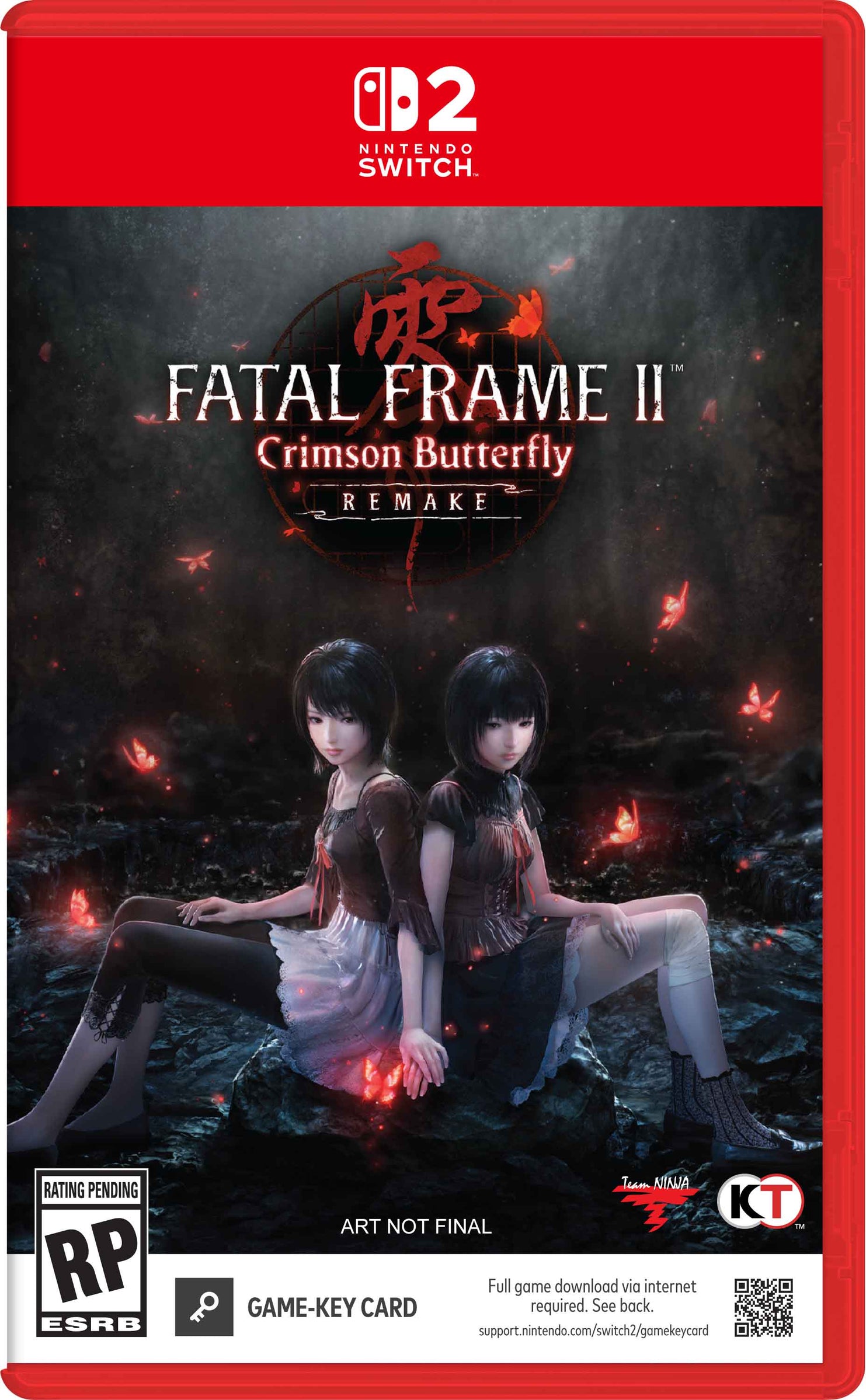
FF2Remake_SWITCH2_NOA_case_ART_1483x2400.jpg


Cool Fatal Frame II Remake is coming, oh wait that's a key card, pass. 😆

Digital versions also have faster loading times than cartridges.
That makes sense as it's installed to the storage.

GTA V on my PS4 Pro loads up very fast as I use an SSD.
 
Tell me you don't know economics without telling me.

Games never followed inflation. Inflation is a measurement of the price development of everyday products like food. You can't 1:1 apply inflation rates to other parts, especially because technological development and the cost effectiveness is different in different industries. Game prices are mainly dictated by demand. If nobody buys your games, you wont be able to price them $80. And we actually see this happen more often now. Many people are not willing to buy games for $80 and if they don't you have to lower your prices.

Indies are overtaking the gaming market with prices ranging from $10 - $50.

And especially considering that development of games is cheaper than ever thanks to readily available high quality tools (even Nintendo uses Unreal Engine) and (many people wont like it) AI.

Which is the fun part, is that from the big names, the big N is the one with the cheapest to produce games and the ones who asked for the highest prices.

You can see all of this happen with RAM right now. RAM prices arent increasing due to inflation, they actually fell a lot despite inflation. Now demand is high due to AI and the prices hike.
Tell me you have no clue whatsoever about anything while failing to argue against what I wrote earlier. And it is HILARIOUS to hear your breaking news story about Indies taking over the market (🤣) with games that are as high as $50!!! Ignorance abound in your analysis as you apparently think using Unreal and AI is cheap in spite of the licensing and all the up-front costs of changing how you develop games. Reality? It has never been more expensive to develop AAA games than it is today. And you are high on crack if you think that the prices of commodities like RAM are not subject to inflation, as if the price of employees, snacks for the break room, real estate, etc., does not increase as inflation rises. You clearly know nothing of economics, which is true of anyone who argues with me about the prices of games or game systems; it is not an argument you can win on the facts as they are with me and me alone.
 

Site & Scene News

Popular threads in this forum