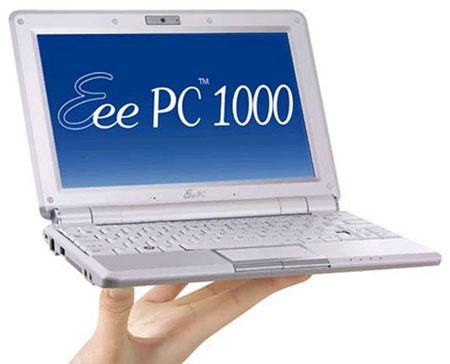
There's a reason why netbooks weren't even good to start with. It was a wake-up call for companies to start producing cheaper and cost-effective laptops by ditching what made them sturdy; overtime they became thin and small, components were even smaller, storage was opted for eMMC instead of the full-sized hard drives and SSDs we see, servicing these laptops too made them even difficult unless you had the skills of phone repair. Honestly I wished they never did this because now they're becoming nothing but e-waste once these go out-of-support or simple die and that no-one can repair them once they do.
Netbooks (and Windows tablets, if you remember them) used low-power processors like an Intel Atom stuck to 1GHz, which were enough to browse the web, but from time to time when HTML5 and JavaScript became the norm and bloated websites, then the machines could not keep up. Netbooks are called "netbooks" because they were intended to be used as internet appliances, not in the grand scheme outside of their intended purpose. If you were a power user, you were just better off building your own machine, or purchasing one pre-built with your intended specifications.
It was their intention to make Windows 8 applicable to mobile devices and tablets because of the Metro interface. But if you had a desktop computer or laptop then it becomes a confusing mess on what to select and navigate because it never really feels intended for them. Of course, Windows Phones never had the success that Microsoft had hoped for because of companies like Android and Apple being more dominant in that niche, and it was quickly cut short in around 2015.